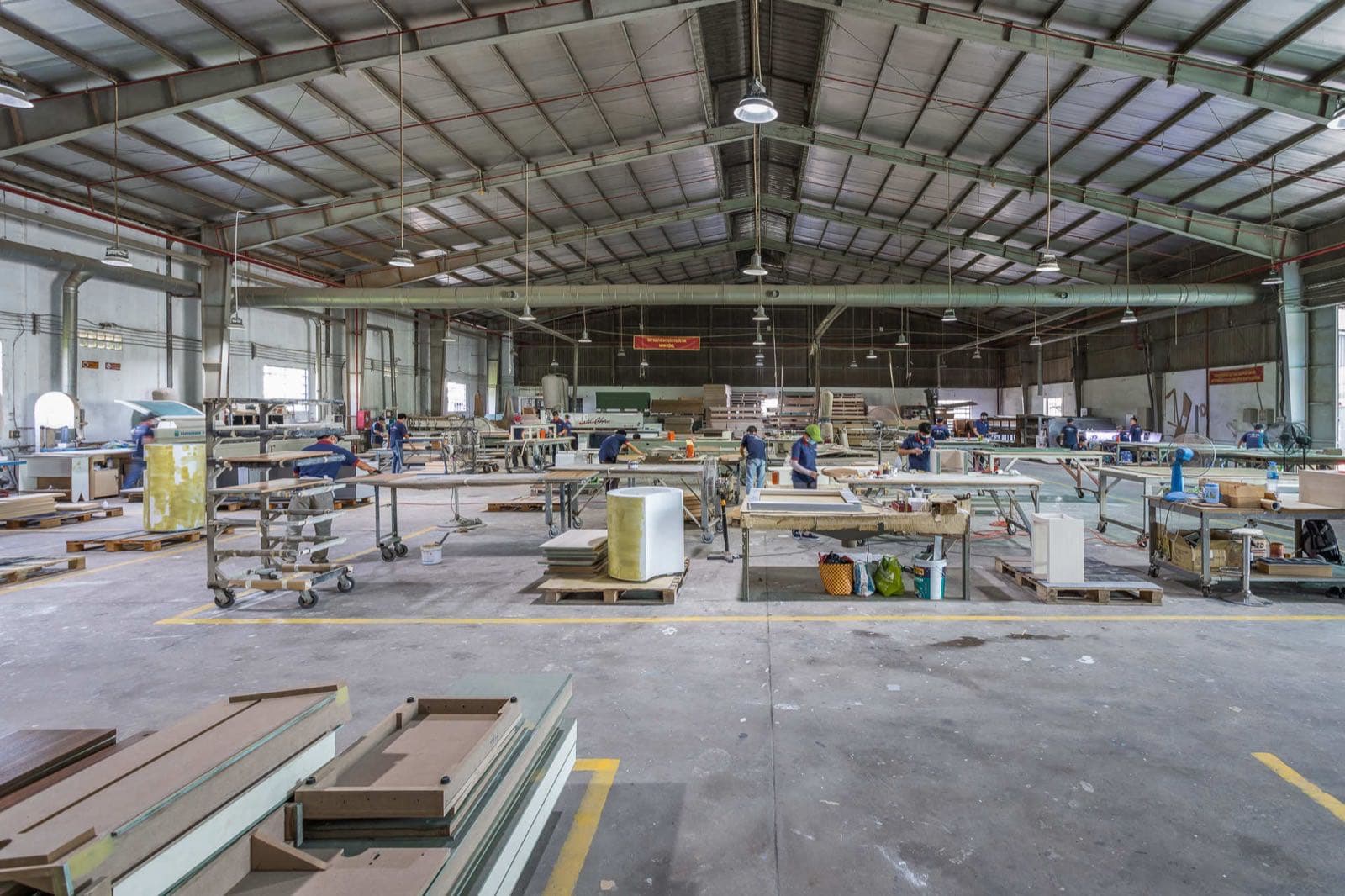
The fastest-growing factories still run on hand-built reports and spreadsheets.
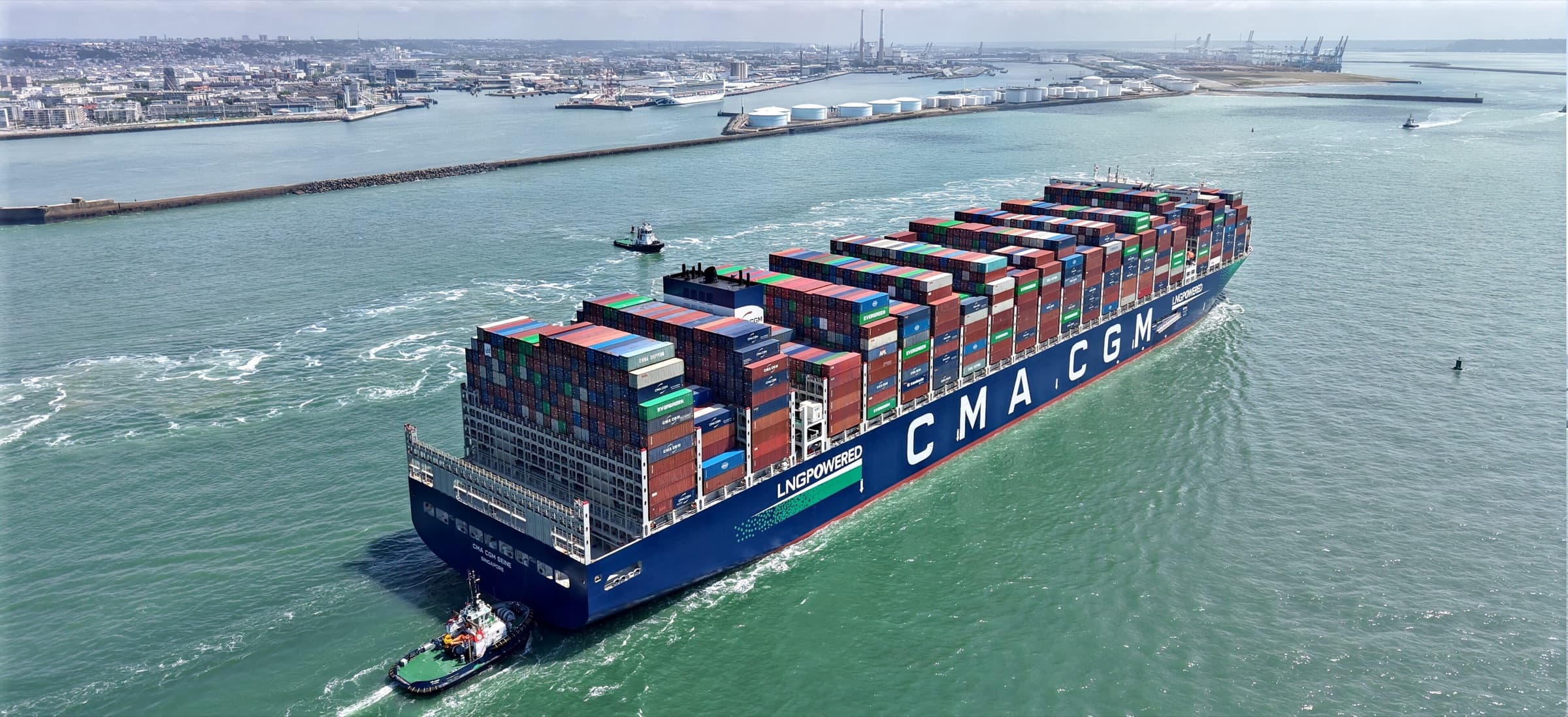
Le Havre, France · Arizonaman1, CC0
Vietnam now exports more than US$100 billion of electronics a year, and economies like it are scaling output fast. Behind that growth, decisions still wait on reports built by hand every week: Excel workbooks, CSV exports and figures copied out of legacy systems, far from the data and AI that could guide them.
Vietnam Customs, 2026
Vietnam is one of many economies building factories fast.
- India+11.5%$533B
- Vietnam+10.0%$126B
- Bangladesh+5.8%$102B
- Indonesia+5.3%$276B
- Malaysia+4.5%$104B
- Poland+3.7%$156B
- Philippines+2.5%$75B
- Thailand+0.4%$137B
- Mexico-0.5%$366B
World Bank, World Development Indicators, 2026 (2025 values may be preliminary)
Most plants sit between spreadsheets and AI.
MIT NANDA, 2025
of German Mittelstand firms did not use AI in 2022–2024
KfW Research, 2026
From workbooks to AI, without starting over.
1Today
Weekly reports put together by hand: Excel workbooks, CSV exports, figures copied from legacy systems and retyped between departments.
2With Viya
The same files, cleaned by logged rules into governed data, with forecasts, models and AI on top.
3With Lantern
Owned actions, one workspace for the team, and results that can be measured.
Sources
- Vietnam Customs via Viet Nam News, Jan 2026
- World Bank, World Development Indicators, Oct 2026 (manufacturing value added)
- IoT Analytics, MES Market Report 2025–2031
- MIT NANDA, The GenAI Divide: State of AI in Business 2025
- KfW Research, Fokus Volkswirtschaft No. 533, Feb 2026
- Trovarit, ERP in der Praxis 2024/25
- Economist Intelligence Unit, Competing across borders, 2012
- CSA Research, business software buyers, 2008